Wanted New Cards Extra – Rosh Hashanah
Celebrating Rosh Hashanah: A Joyful and Reflective Jewish New Year
Rosh Hashanah, the Jewish New Year, is a time of reflection, renewal, and celebration. Unlike the secular New Year, which is often marked by parties and resolutions, Rosh Hashanah is a deeply spiritual holiday that invites individuals to contemplate their actions over the past year and seek improvement for the year ahead. This holiday is rich with traditions and customs that symbolize new beginnings and the hope for a sweet and prosperous year.
Understanding Rosh Hashanah
Rosh Hashanah, which means “Head of the Year” in Hebrew, is celebrated on the first two days of Tishrei, the seventh month of the Hebrew calendar. This year, Rosh Hashanah begins at sundown on October 2 and continues through nightfall on October 4, 2024. It is considered the birthday of the universe, marking the creation of Adam and Eve, and is a time when Jews believe that God reviews and judges the deeds of each person over the past year.
Traditions and Customs
Rosh Hashanah is celebrated with a variety of meaningful customs:
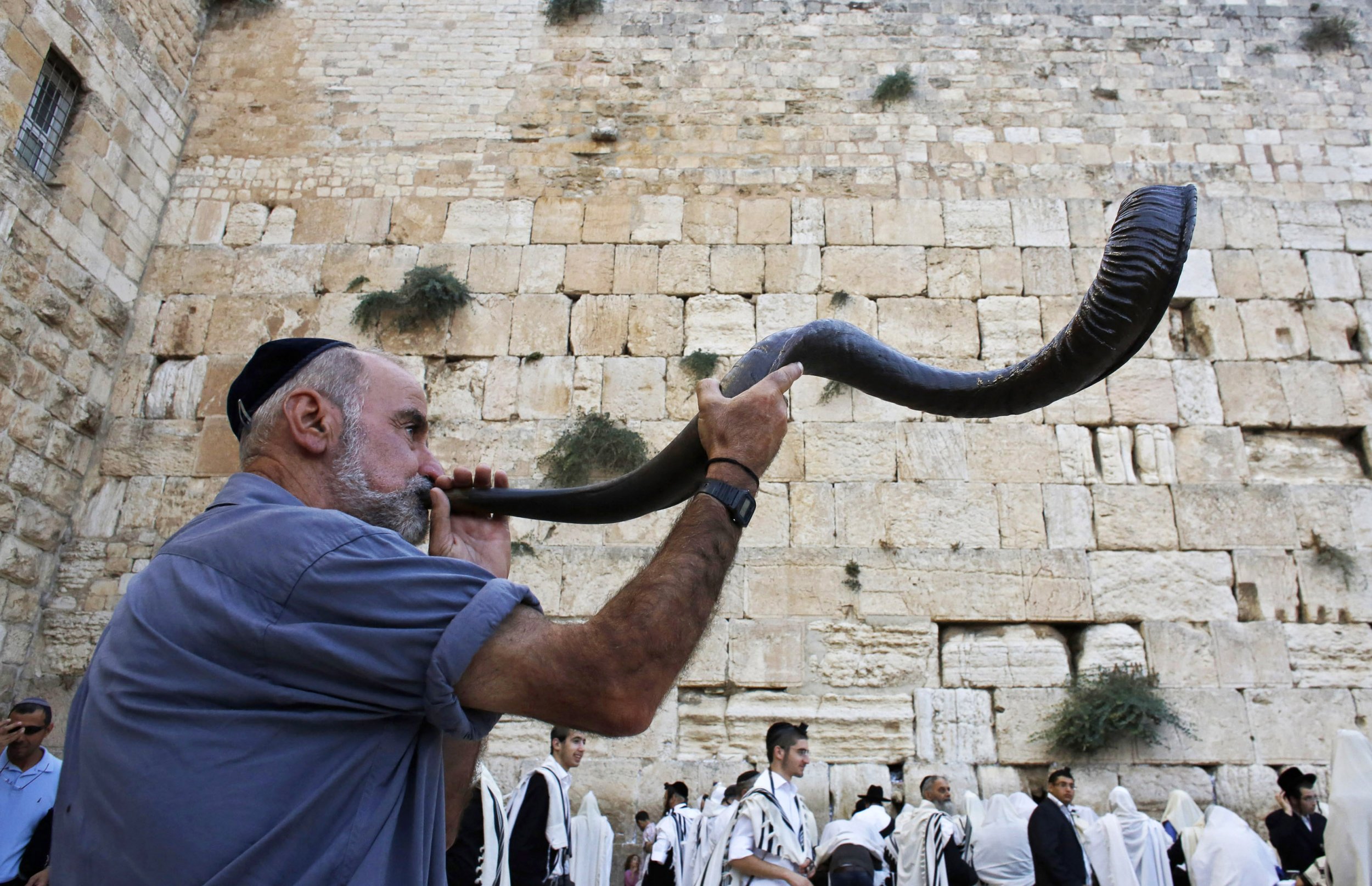
- The Shofar: One of the most significant traditions is the blowing of the shofar, a ram’s horn, which is sounded in synagogues on both mornings of Rosh Hashanah. The shofar’s blasts are a call to repentance and a reminder of the holiday’s solemnity.
- Festive Meals: Families gather for festive meals that include symbolic foods. Apples dipped in honey are perhaps the most well-known, symbolizing the hope for a sweet new year. Other traditional foods include round challah bread, which signifies the cycle of the year, and pomegranates, which are said to have 613 seeds corresponding to the 613 commandments in the Torah.
- Tashlich: On the first afternoon of Rosh Hashanah, many Jews participate in the Tashlich ceremony, where they go to a body of water and symbolically cast off their sins by throwing pieces of bread into the water.
- Prayer and Reflection: The holiday is also a time for prayer and self-reflection. Special services are held in synagogues, where prayers focus on themes of repentance and renewal. It is a time to ask for forgiveness and to make amends with others.

The Significance of Rosh Hashanah
Rosh Hashanah is not only a time for personal reflection but also a communal experience. It marks the beginning of the Yamim Nora’im or “Days of Awe,” a ten-day period that culminates with Yom Kippur, the Day of Atonement. This period is an opportunity for Jews to strengthen their relationship with God and with each other, emphasizing themes of repentance, forgiveness, and renewal.
A Sweet New Year
As Rosh Hashanah approaches, Jews around the world prepare to welcome the new year with joy and introspection. The holiday’s customs and traditions serve as powerful reminders of the potential for personal growth and the importance of community. Whether through the sound of the shofar, the taste of honey-dipped apples, or the quiet moments of prayer, Rosh Hashanah offers a chance to start anew and to hope for a year filled with peace, prosperity, and sweetness.
Greeting Card Ideas
Use images of apples, honey, pomegranates, and shofars, which are all traditional symbols of Rosh Hashanah.
Traditional Messages
“Shana Tova!”: This simple yet heartfelt greeting means “Have a good year!” and is a staple in Rosh Hashanah cards.
“Shana Tova U’Metuka!”: Add a touch of sweetness with this phrase, meaning “Have a good and sweet year!”.
“Shana Tova Tikateivu!”: Wish someone a spiritually fulfilling year with “May you be inscribed in the Book of Life for a good year!”.
More lighthearted Rosh Hashanah greetings:
“Hope your Rosh Hashanah has been great sho-far!”: A pun on the shofar, the ram’s horn blown during the holiday.
“Wishing you a year that is a head above the rest!”: A fun nod to the tradition of eating the head of a fish or cabbage to symbolize leadership and new beginnings.
“Hope to see you around this challah-day!”: A playful twist on the word “holiday,” referencing the round challah bread traditionally eaten during Rosh Hashanah.
“Here’s to a year as sweet as honey cake.”: A sweet wish that ties into the custom of eating honey cake for a sweet new year.
“Wishing you a year that’s all heads, no tails.”: Another reference to the symbolic foods of Rosh Hashanah, emphasizing a year of leadership and success.
“Have no fear, the time for apples and honey is here!”: A cheerful reminder of the custom of dipping apples in honey for a sweet year.

Citations:
https://www.hebrewpod101.com/blog/2019/08/16/rosh-hashanah/
https://reformjudaism.org/jewish-holidays/rosh-hashanah
https://www.chabad.org/library/article_cdo/aid/4762/jewish/What-Is-Rosh-Hashanah.htm
https://www.chabad.org/library/article_cdo/aid/3743979/jewish/17-Rosh-Hashanah-Facts-Every-Jew-Should-Know.htm
https://bibleproject.com/articles/rosh-hashanah/
https://en.wikipedia.org/wiki/Rosh_Hashanah
Happy Designing!
Corrie


 GCU Community