Wanted Cards: Finding the Right Words
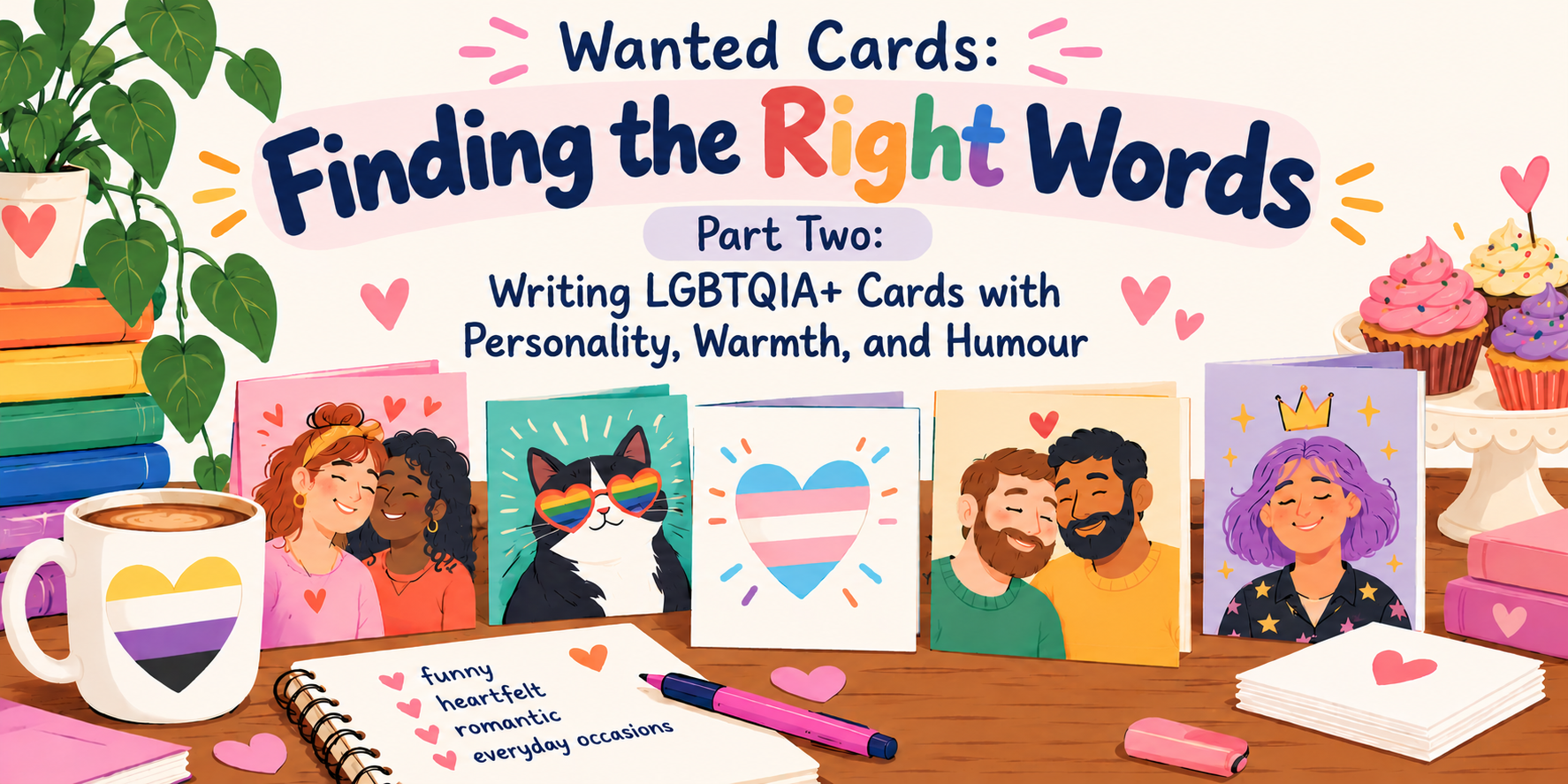
Part Two: Writing LGBTQIA+ Cards with Personality, Warmth, and Humour
In Part One of Beyond the Rainbow, we explored the creative opportunities behind identity-specific LGBTQIA+ greeting cards, from birthdays and anniversaries to Christmas, family occasions, and everyday celebrations.
But even the most beautifully illustrated card needs the right words.
A clever greeting can turn a good design into a memorable one. A thoughtful inside message can make a recipient feel understood. And a well-placed joke can transform a simple birthday card into something they’ll want to show their friends.
So how do we write LGBTQIA+ cards that feel natural, personal, and genuinely enjoyable?
The answer is often surprisingly simple.
Write for the person and the occasion, not just the identity.
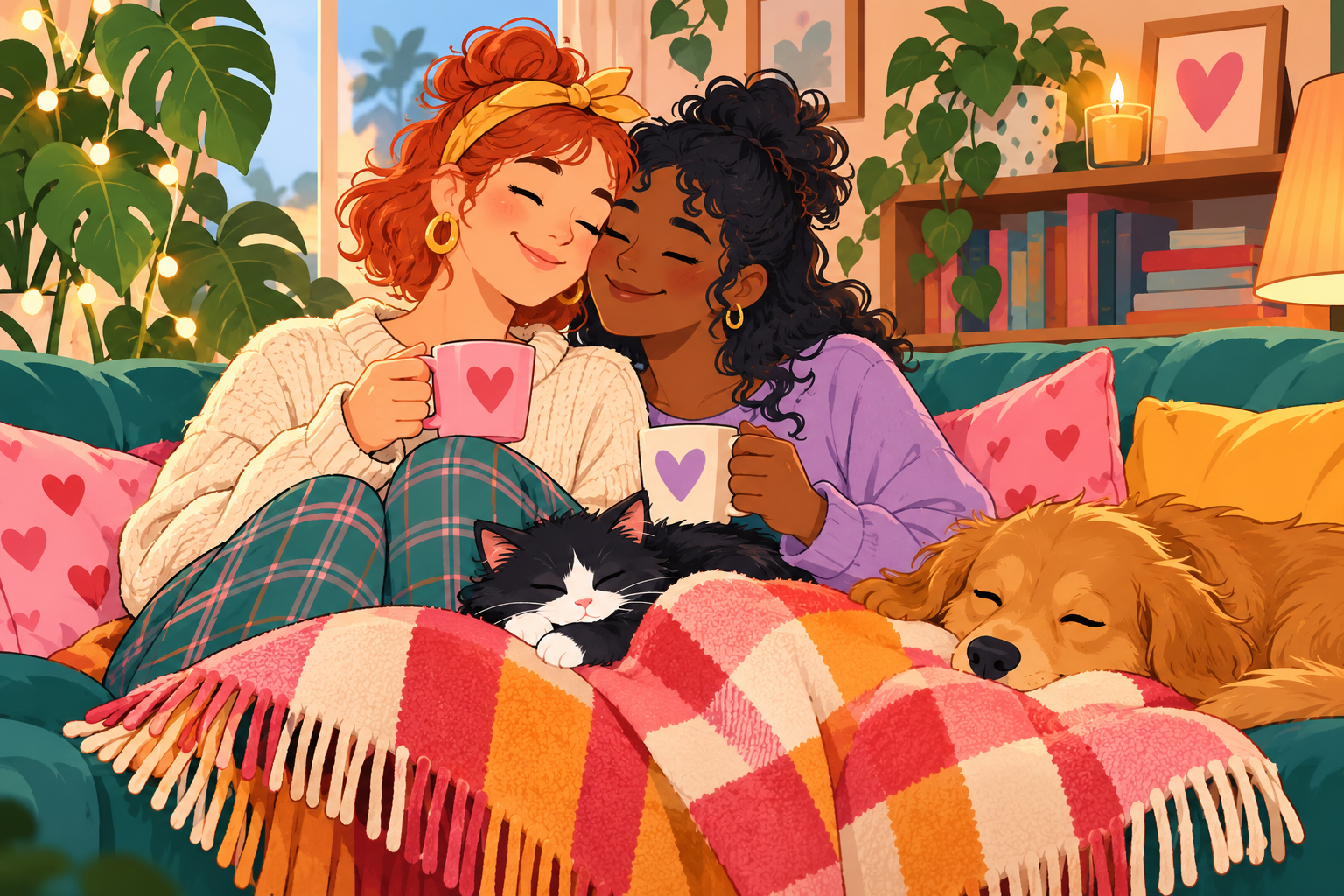
1. Let the Occasion Lead
A birthday card should feel like a birthday card.
An anniversary card should celebrate a relationship.
A Christmas card should capture something about the season.
Identity-specific wording can make these messages more personal, but it doesn’t always need to dominate them.
Consider these examples.
Birthday Card for a Transgender Woman
Front: Happy Birthday to One Fabulous Woman!
Inside: Wishing you a day filled with laughter, love, cake, and everything that makes you happy.
Birthday Card for a Non-Binary Friend
Front: Another Year Older. Still Beyond Categorization.
Inside: Some people fit neatly into boxes. You’re far too interesting for that. Happy Birthday!
Anniversary Card for Two Wives
Front: Wife. Best Friend. Favourite Human.
Inside: Every year with you gives me another thousand reasons to fall in love with you. Happy Anniversary, sweetheart.
The identity-specific context is there, but the occasion remains central.
2. Humour Works Best When It’s Affectionate
Humour can be one of the strongest tools in greeting card design.
But there’s an important difference between laughing with someone and making their identity the punchline.
Playful wordplay, everyday relationship humour, affectionate exaggeration, and character-driven comedy can all work wonderfully.
For example:
Bisexual Birthday Card
Front: Bi the Way… You’re Getting Older.
Inside: But you’re also getting more fabulous. Happy Birthday!
Lesbian Anniversary Card
Front: I Still Get Butterflies When I See You.
Inside: Although these days, that might also be the coffee. Love you, wife!
Gay Husband Birthday Card
Front: Happy Birthday to My Husband, Who Has Everything.
Inside: Including excellent taste in men. You’re welcome.
Non-Binary Birthday Card
Front: You’re One of a Kind.
Inside: Which is probably why the universe hasn’t dared make another. Happy Birthday!
Notice that the jokes aren’t about whether someone deserves acceptance or whether their identity is legitimate.
They’re about ageing, relationships, personality, and the delightful absurdities of being human.
That’s fertile ground for greeting card humour.
3. Gender-Neutral Doesn’t Have to Mean Impersonal
Gender-neutral wording is useful for many occasions, especially when the sender wants a card that doesn’t assume a particular gender or relationship.
But neutral doesn’t have to mean bland.
Compare:
Happy Birthday. Have a Nice Day.
With:
Happy Birthday to My Favourite Chaos Coordinator.
Or:
Congratulations on Another Successful Trip Around the Sun. The Planet Has Been Warned.
Both examples avoid gendered language, but they have far more personality.
Other possibilities include:
Romantic
Front: You’re My Favourite Plot Twist.
Inside: Of all the stories life could have written, I’m so glad ours brought us together. Happy Anniversary.
Birthday
Front: Officially Too Fabulous for Your Age.
Inside: Fortunately, nobody has invented a law against that. Happy Birthday!
Christmas
Front: All I Want for Christmas Is You.
Inside: Although I wouldn’t object to some chocolate as well. Love you!
These messages can suit a wide range of recipients and relationships.
And when a card is intended for a specific identity or relationship, artists can make that clear through the front wording, artwork, or both.
4. Sometimes Specific Wording Is Exactly What Matters
While gender-neutral language offers flexibility, it isn’t always the right creative choice.
A customer looking for a card that says To My Wife, From Your Wife may want those exact words.
A transgender father might appreciate a Father’s Day card that explicitly celebrates him as a dad.
A non-binary partner might love a romantic card that uses partner rather than assuming husband or wife.
Specificity can be a form of affection.
Here are a few possibilities.
For My Wife, From Your Wife
Front: Two Wives. One Wonderful Life.
Inside: And I wouldn’t trade a single moment of it. Happy Anniversary, my love.
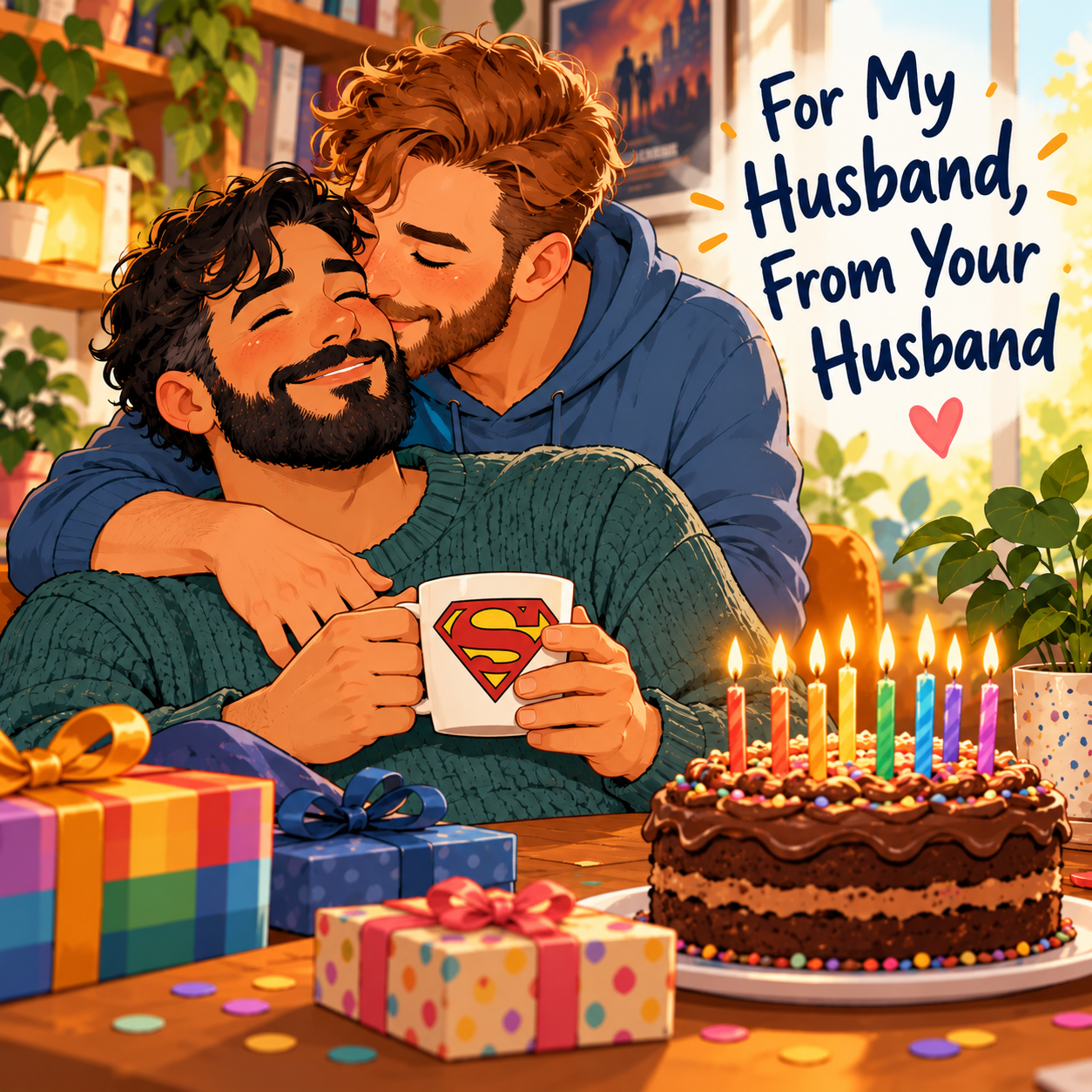
For My Husband, From Your Husband
Front: I Married My Favourite Person.
Inside: And somehow you still put up with me. Happy Anniversary!
For a Transgender Dad
Front: Happy Father’s Day to an Amazing Dad.
Inside: Thank you for all the love, laughter, wisdom, and encouragement you bring into our lives. You’re appreciated more than words can say.
For a Non-Binary Partner
Front: My Partner. My Person. My Everything.
Inside: Life is infinitely better with you beside me. Happy Anniversary, sweetheart.
The important distinction is that artists should choose language intentionally rather than automatically defaulting to generic wording.
5. Avoid Turning Every Card Into a Coming-Out Card
Coming out, transition milestones, and messages of support are meaningful occasions that deserve thoughtful designs.
But not every LGBTQIA+ greeting card needs to reference a personal journey, a struggle, or the courage to be oneself.
Sometimes a recipient simply wants a funny birthday card.
Sometimes two husbands want a ridiculous Christmas card featuring their badly behaved dog.
Sometimes a lesbian wife wants to tell her partner she’s still hopelessly in love after twenty years together.
And sometimes a non-binary friend wants a card about cake, dinosaurs, or the horrifying prospect of turning 40.
There is room for all of these.
Representation becomes more natural when LGBTQIA+ characters and relationships are allowed to be ordinary, extraordinary, romantic, ridiculous, and everything in between.
6. A Little Thought Goes a Long Way
Identity-specific wording benefits from care, particularly when artists are writing for experiences or communities they may not personally know.
A few useful principles:
Use the identity terms you actually mean. Lesbian, gay, bisexual, transgender, non-binary, and other identities aren’t interchangeable.
Don’t assume every recipient likes the same humour. A cheeky pun may be perfect for one person and completely wrong for another.
Avoid unnecessary assumptions about someone’s life. Not every queer couple is married, not every trans person has the same transition experience, and not every LGBTQIA+ person celebrates Pride in the same way.
Be mindful of slang. Some terms are warmly embraced within particular communities but may feel uncomfortable or inappropriate when used casually by someone else.
Let affection sound like affection. A sincere, uncomplicated message can be more powerful than a paragraph trying too hard to demonstrate inclusivity.
When in doubt, ask whether the wording would make sense coming from someone who genuinely knows and cares about the recipient.
If it sounds like a slogan rather than a greeting, it may need another draft.
7. More Front-and-Inside Combinations to Try
Here are a few additional ideas to spark new designs.
Christmas Card for Two Husbands
Front: Two Husbands. One Christmas Tree. Absolutely No Agreement on Decorations.
Inside: Here’s to another Christmas of compromise, laughter, and pretending we don’t know who broke the ornaments. Love you!
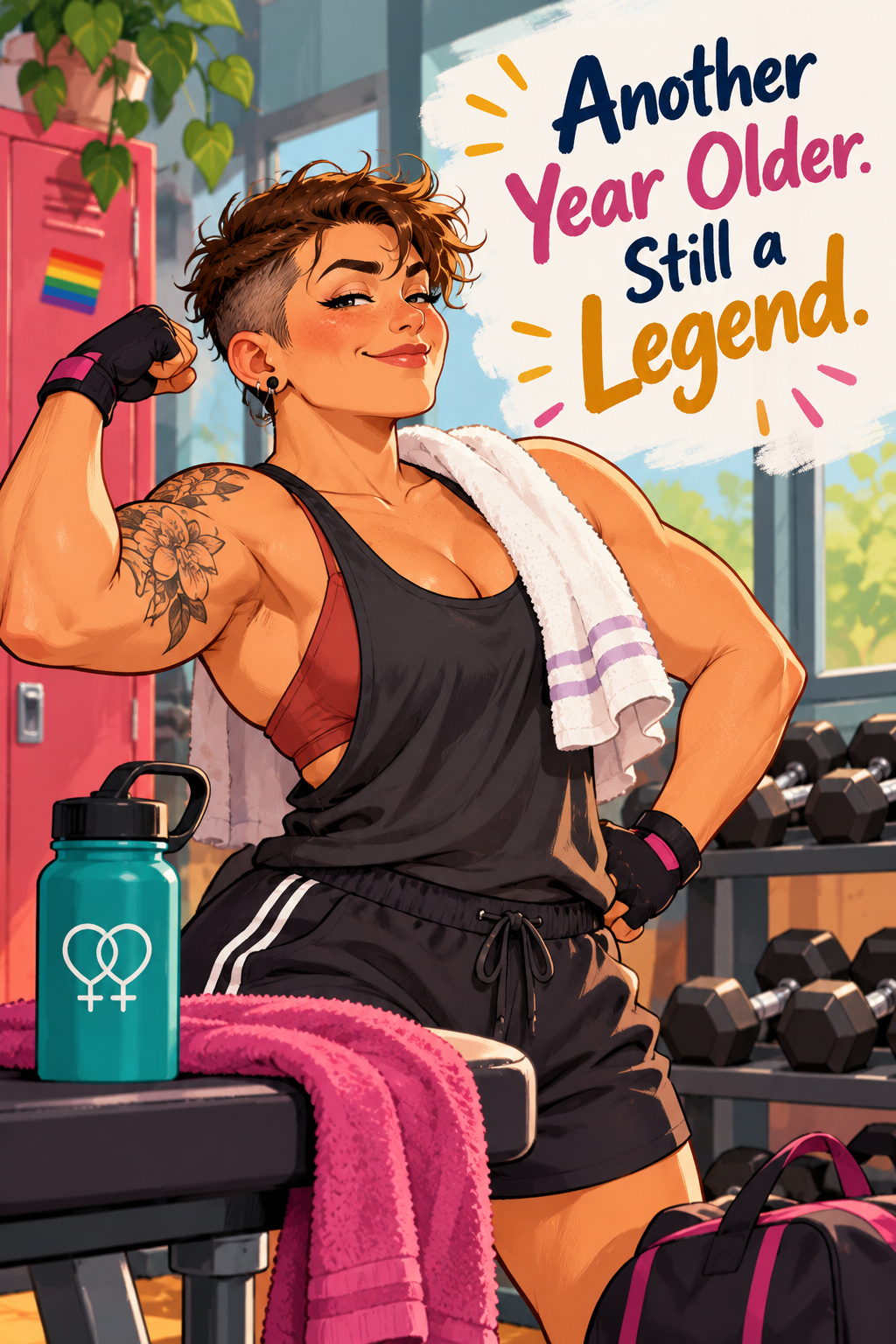
Birthday Card for a Lesbian Friend
Front: Another Year Older. Still a Legend.
Inside: Some things just get better with age. You, for example. And possibly cheese. Happy Birthday!
Anniversary Card for a Queer Couple
Front: Still Each Other’s Favourite Weirdo.
Inside: Here’s to all the wonderful, ridiculous, unforgettable moments we’ve shared. Happy Anniversary!
Birthday Card for a Non-Binary Friend
Front: The Birthday Royalty Has Arrived.
Inside: Your crown is imaginary, but your fabulousness is undeniable. Have a brilliant birthday!
First Christmas Together
Front: Our First Christmas Together.
Inside: Here’s to new traditions, old favourites, and many more Christmases side by side. I love you.
Birthday Card for a Gay Best Friend
Front: Happy Birthday to My Favourite Bad Influence.
Inside: Life would be considerably quieter without you. And nowhere near as much fun.
These examples can be adapted to different artistic styles, from elegant typography and delicate florals to bold comic characters and mischievous animals.
The Creative Challenge: Write the Message First
For this challenge, try reversing your usual design process.
Instead of starting with an illustration, begin with a greeting.
Choose a specific recipient and occasion, then write one sentence that could only belong on that particular kind of card.
Perhaps it’s funny. Perhaps it’s romantic. Perhaps it’s quietly sentimental.
Now imagine the artwork that would make those words shine.
Could a character’s expression deliver half the joke?
Could a familiar domestic scene make the sentiment more personal?
Could a beautifully restrained design give a simple message more emotional weight?
The strongest greeting cards often succeed because the words and artwork feel as though they belong together.
Beyond the Rainbow, Beyond the Occasion
The growing variety of identity-specific greeting cards is an encouraging creative development, but the real opportunity isn’t simply to produce more designs with different labels.
It’s to offer more choice, more personality, and more occasions worth celebrating.
A good greeting card doesn’t need to explain who its recipient is.
It simply needs to make that person feel remembered, appreciated, loved, or wonderfully amused.
And sometimes, the most inclusive thing a greeting card can do is let someone enjoy being the birthday star, the beloved spouse, the proud parent, or the friend who absolutely deserves to be teased about turning fifty.
Because everybody deserves a card that feels like it was made just for them.
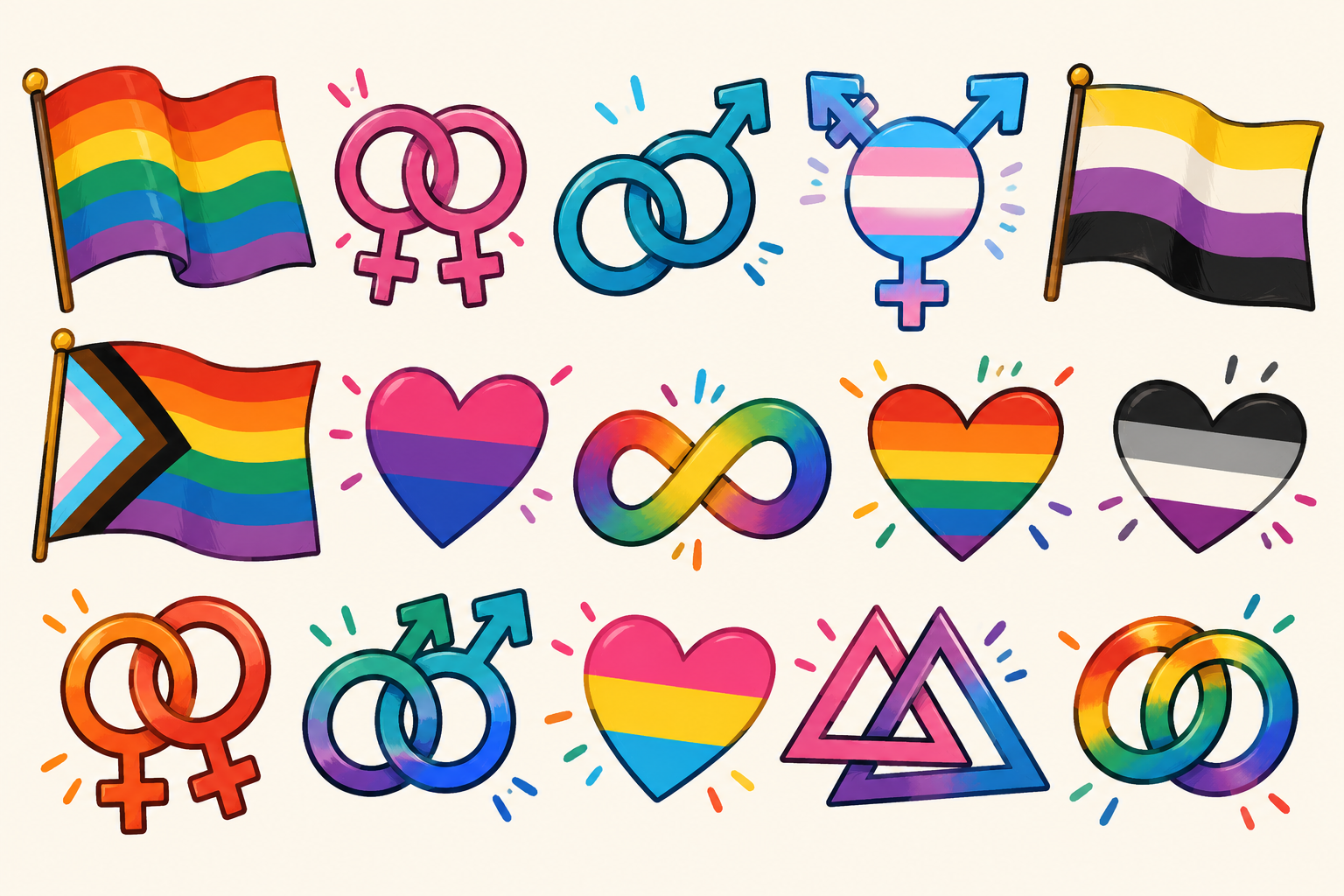
A Note About LGBTQIA+ Card Categories at GCU
One important thing to remember when designing for LGBTQIA+ categories: a card doesn’t need a rainbow, but it does need a reason to belong in that category.
A general birthday card that says Another Year Older. Still a Legend! is a great birthday card, but the message alone doesn’t make it LGBTQIA+-specific. Simply placing that same design in both the general birthday and LGBTQIA+ birthday categories isn’t what we’re aiming for.
Instead, give the design something that speaks specifically to the LGBTQIA+ community, whether through the illustration, the front greeting, or the inside verse.
For example:
- General: Happy Birthday to My Favourite Person.
- LGBTQIA+-specific: Happy Birthday to My Beautiful Wife, From Your Wife.
- General: Happy Father’s Day to an Amazing Dad.
- LGBTQIA+-specific: Happy Father’s Day to My Two Wonderful Dads.
- General: Another Year Older. Still Fabulous.
- LGBTQIA+-specific: Bi the Way… Another Year Older. Still Fabulous!
The distinction can be subtle, humorous, romantic, or heartfelt. What matters is that it’s intentional.
Where should these designs go?
Most GCU occasions and categories have a Gay / Lesbian / LGBTQ subcategory. Some family occasions also offer specific categories such as Both My Moms and Both My Dads.
If you can’t find an appropriate category, Other is a good choice. GCU’s reviewers can help find the best placement or request a new subcategory when needed.
The goal isn’t to make one design do double duty. It’s to create cards that genuinely serve recipients and relationships that deserve their own place in the greeting card aisle.
Happy Designing!
Corrie


