Design Spotlight: Lisa Crisafi

Today’s Design Spotlight shines on Lisa Crisafi at Nest to Nest Greetings – a well rounded artist with a great sense of humor!
_________________________

From the time I was able to hold a crayon, I loved to draw. I would doodle on anything. It was my passion.
I majored in mechanical drafting at a vocational high school. After some urging from my art teacher, I took classes at a local art college . Somehow, after 4 classes at the college, I landed a job as a layout artist at a well known pen company. It was there that I learned the world of desktop publishing. My boss and I taught ourselves Illustrator and Photoshop. I worked my way up in the company to Sr. Graphic Artist/Illustrator.
When I had children, I decided to leave my career to stay at home with them. It was a very easy decision, and I wouldn’t trade that time for anything.
They have been in school for a while now, and over the last 3 years I’ve been dappling in creative activities again. I discovered an online greeting card contest and decided to enter. I found that I had a knack for it as I’ve won multiple contests. Since then, I have developed a love for creating greeting cards, and discovered GCU about one year ago.
With GCU, I don’t have to wait for another contest. I can create all day long … and that’s what I do. I have a hard time pulling myself away from the computer. I carry a pad and pencil with me everywhere I go, and I’m always jotting down ideas. There are papers and notes everywhere!
I don’t have a specific style as I’m inspired by everything around me. I create how my mood leads me. I use photos as well as Illustrations, and lean towards simply stated and humorous cards.
My most popular card is this funny, and somewhat sarcastic, “Thumbs Up Birthday Card”. (869701) It is intended for Facebook users and features a photo of my daughter’s hand. It has become very popular over the past two months. I think I’m going to have to tweak the background though, since Facebook is always changing.
Thank you GCU for the opportunity to share a little about myself and for a wonderful creative outlet!
Share this:

Dash of Inspiration – Autumn is in the Air
A Dash of Inspiration, A Cup of Creativity by Doreen
Autumn is in the Air

As we’ve all learned, designers work well ahead of the actual season/holidays in order for their cards to make it to the market and be found by search engines. In addition many shoppers – particularly bulk orders – can come months in advance of general consumer sales. We designers should be focusing our efforts on the upcoming fall categories, regardless that for many of us we are in the middle of summer . . . hahaha!
Here are some categories to consider designing for:
- Announcements > Birth / New Baby Announcements > Season Specific > Fall / Autumn (empty)
- Birthday > Season Specific Birthday Cards > Fall / Autumn
- Holidays > Halloween Cards > Autumn / Fall
- Holidays > Pagan Holidays Cards > Autumnal Equinox / Mabon
- Invitations > Party by Theme Invitations > Seasonal / Seasons Party > Fall / Autumn Party
- Invitations > Wedding Invitations > Seasonal Wedding > Fall / Autumn Wedding
- Occasions > Anniversary – Wedding Cards > Season Specific > Fall / Autumn (empty)
- Holidays > Thanksgiving – Canada Cards
- Holidays > Thanksgiving Cards > Anniversary on Thanksgiving (3 cards)
- Holidays > Thanksgiving Cards > Sports Specific
Once thing that really never changes is how much people love the autumn colors that nature provides; here is a wonderfully inspirational link to some delightful Autumn Color Palette Inspiration (scroll down on their page) from ColourLovers.com
Here’s a fun Plaid Pattern Set for Photoshop in wonderfully autumn color combinations.
Get inspired and ENJOY!

Share this:

Critique Clinic – June 9-10, 2012

How does it work? For three days a week (Friday-Sunday midnight), I will open the clinic to any artist who wants an honest peer review and critique of a card which gets plenty of clicks but no sales, so something’s probably not quite right, or you’ve got a new design you want to test drive, or you’re unsure about the marketability of a card. Or perhaps you’re a newbie who isn’t sure if a recently submitted card is up to a marketable standard. Anyone is welcome to participate. In fact, I encourage everyone to at least look at the cards in question and read the critique comments – you may learn something. The purpose of the clinic is to help artists improve the commercial appeal and marketability of their cards.
THE RULES
- ONE card per artist only.
- Card must be for sale at Greeting Card Universe.
- We will take an unlimited number of artists, including those who have submitted recently, HOWEVER I reserve the right to close a clinic for the day if the submissions become overwhelming. If the clinic has been closed, and you submit a card, your comment will be deleted.
- To submit a card for critique, post a link to the card at GCU in the comments section of this clinic post. Allowances will be made if you’ve had a card declined, or made a new design you’d like advice on. Give us the link where we can see the card, such as your private gallery, Flickr, etc.
- Any artist is free to comment and/or give a critique of a submitted card. HOWEVER, post-and-run comments like “great card” or “you suck” will not be tolerated, nor will abuse. Criticism should be constructive, not destructive. Play nice or you will be banned.
- I also won’t tolerate temper tantrums if you decide your “artistic integrity” is being stepped on because you asked for a critique, and someone told you the photo you’re using isn’t in focus. If you can’t take honest criticism, don’t submit. Once gets you a warning; twice and you’re banned from submitting in the future.
- Artists who critique may do so by giving their opinion, posting an example of another card, or pointing the submitter to a video, on-line article, or other helpful suggestion.
- Don’t forget that artists who are giving you tips and helpful advice are volunteering their time and trouble. Be nice. A link back to their store on your website or blog is appreciated (but not mandatory).
- You are free not to take any advice offered. There’s no guarantee any card will be a bestseller, so don’t come into the clinic with unrealistic expectations.
- Rules may change as we go along and we see how things turn out, okay?
So without any further ado, I declare this week’s Critique Clinic open!
Share this:

Design Contest: World’s Best Dad – RESULTS
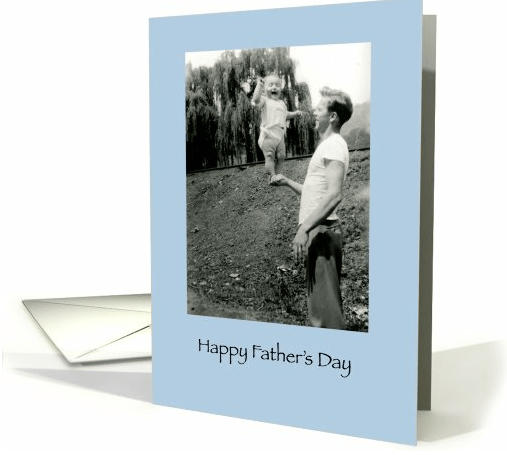
The results of the voting are in, and the winner is…
Donna Collins with 163 votes!
Thanks to everyone who participated, and congratulations to our winner!
Our next contest will be a bit different – the 2012 Summer Olympics begins July 27th, so we’ll be doing sports themed greeting cards (for any and all occasions). Keep that theme in mind, folks. We’ll also be offering more prizes this time around, too! Check here for details in a couple of weeks.
Share this:

Rainbow Connection: By the Beautiful Sea

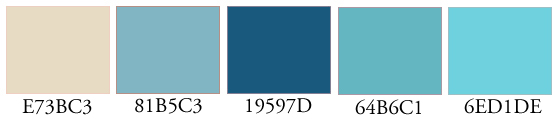
Days are longer than ever, nights are shorter, temperatures are hotter… looks like summer has arrived! I’ve picked two beach inspired palettes for you to enjoy. The first reminds me of cool Atlantic ocean waves, mysterious and sometimes stormy, but always beautiful. The second inspires me to think of the Caribbean or the Pacific, crystal clear seas that are warm, but still refreshing, and long stretches of pale sand under a hot sun. Beautiful!
 ‘
‘

As always, these are RGB colors. I’ve given you the hex numbers to make it easy to use these colors in your favorite graphics editing program. Have fun!
Share this:

Design Spotlight: Cherie
Today’s Design Spotlight shines on Cherie of Cherie’s Art Card Store – very nice graphic style!
_________________________
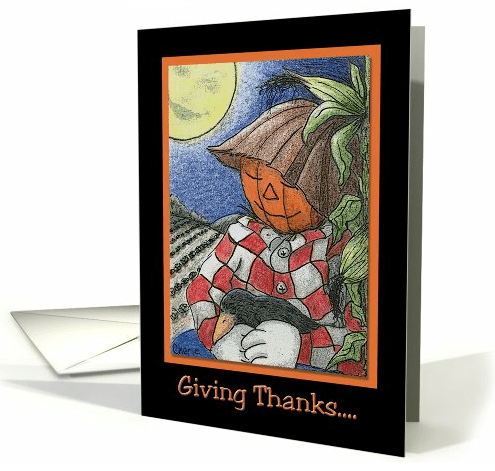
When I look at this card it always makes me smile and I’m so glad it’s a favorite in my card shop. I believe that other people smile when they see it too! Here are a couple of cute characters, who are peacefully slumbering, a scarecrow and a crow. Now we know that scarecrows are supposed to scare these black birds away, but not so here! These two are friends and are grateful for each other, and the moon happily approves!
The design on this card was originally an ACEO (Editor’s Note: Art Cards Editions and Originals) that I had scanned and then added the framed effects around it using Photoshop. A very simple added effect, certainly not one of my most elaborate digital designs, but this card really represents how I feel every day… a sense of peace, happiness and gratefulness.
I’ve started creating ACEOs again, those wonderful, small format works of art that are only 2.5″ x 3.5″ in size. Original, hand painted or hand drawn art is truly my favorite type of art for greeting cards. I’ve spent a lot of time learning to be a digital artist, and I’m sure I won’t give that up, but I’m enjoying going back to my roots now, sketching and painting by hand.
Share this:

Dash of Inspiration – A Fountain of Fonts
A Dash of Inspiration, A Cup of Creativity by Doreen
A Fountain of Fonts
I think the most difficult area for me when I first started designing cards at GCU was the Typography. I must have gone back and reworked the text on some of my early designs three or four times over the years as my knowledge of placement, legibility and font-base grew.
I went through a phase where I thought beveled text was cool! It’s not in most cases – one exception is when the design will support a ‘gold, silver or diamond’ look to the text, in which case when well executed beveled text can give the right amount of shine to accomplish the look.
Next I experimented with what I call my ‘deep shadow period’ where I added large deep shadowing behind all my text thinking it helped standout – Wrong Again! This type of shadowing on text when printed can make the text blurry and muddy looking. So back to the drawing board to fix my text shadowing; keeping it softer, smaller and in some cases crisper or removing the shadow entirely.
Ahhh and then I found the ‘glow effect’ – ouch! Though this effect is very useful with text, I learned that it requires a skilled and knowledgeable touch to actually get professional and pleasing results. Having large bright glowing text was just not getting sales. So once again I was off to study and practice more professional techniques to make this glow effect work to my advantage instead of stand out like a sore thumb!
My last lesson was a better understanding of text placement and off I went to improve the layout of the text on many of my old cards. I had literally stuck the text wherever it would fit and that is not a professional designer’s method of card design. The text is an element, sometimes the most important element, and placing it across the main subject and/or stuffing it wherever there was room with complete disregard for the overall balance of the card design . . . well, those were very unprofessional techniques I needed to overcome! I probably still have a few oldies out there that I haven’t caught up to yet, but I’m working on it!
Of course the first step in improving your own typography is to have a solid selection of Fonts that are legible, professional looking and appealing. For those of you looking to add to your Font collections, here are some links you will find helpful. The key is you must READ the license. If you are at a ‘font site’ that does not tell you anything about the TOU for the font, then don’t trust the site.
Look for Freeware. In most but not all cases these are fonts that can be used for your commercial use projects. Look at the details added by the font designer to make sure there are no restrictions for CU. Sometimes, you will need to download the free font and read the License that accompanies the font in order to know if you can use it in card designs.
For any of you that missed them, there have been more discussions on this blog about Fonts and Text so here are the links:
Dash of Inspiration: Typography Speaks
Nuts & Bolts: Front of Card Text
Font Squirrel’s Favorite Commercial Use Free Fonts
Dafont – Shows on the right side those which you can check TOU for CU
Fontex.org – Their List of the Best Free Fonts
14 Favourite Free Fonts (For Commercial Use) by Jahfer

One of my 1st cards and the text on the outside was reworked 3x’s before this version, which now sells.
Share this:

Critique Clinic – May June 2-3, 2012
How does it work? For three days a week (Friday-Sunday midnight), I will open the clinic to any artist who wants an honest peer review and critique of a card which gets plenty of clicks but no sales, so something’s probably not quite right, or you’ve got a new design you want to test drive, or you’re unsure about the marketability of a card. Or perhaps you’re a newbie who isn’t sure if a recently submitted card is up to a marketable standard. Anyone is welcome to participate. In fact, I encourage everyone to at least look at the cards in question and read the critique comments – you may learn something. The purpose of the clinic is to help artists improve the commercial appeal and marketability of their cards.
THE RULES
- ONE card per artist only.
- Card must be for sale at Greeting Card Universe.
- We will take an unlimited number of artists, including those who have submitted recently, HOWEVER I reserve the right to close a clinic for the day if the submissions become overwhelming. If the clinic has been closed, and you submit a card, your comment will be deleted.
- To submit a card for critique, post a link to the card at GCU in the comments section of this clinic post. Allowances will be made if you’ve had a card declined, or made a new design you’d like advice on. Give us the link where we can see the card, such as your private gallery, Flickr, etc.
- Any artist is free to comment and/or give a critique of a submitted card. HOWEVER, post-and-run comments like “great card” or “you suck” will not be tolerated, nor will abuse. Criticism should be constructive, not destructive. Play nice or you will be banned.
- I also won’t tolerate temper tantrums if you decide your “artistic integrity” is being stepped on because you asked for a critique, and someone told you the photo you’re using isn’t in focus. If you can’t take honest criticism, don’t submit. Once gets you a warning; twice and you’re banned from submitting in the future.
- Artists who critique may do so by giving their opinion, posting an example of another card, or pointing the submitter to a video, on-line article, or other helpful suggestion.
- Don’t forget that artists who are giving you tips and helpful advice are volunteering their time and trouble. Be nice. A link back to their store on your website or blog is appreciated (but not mandatory).
- You are free not to take any advice offered. There’s no guarantee any card will be a bestseller, so don’t come into the clinic with unrealistic expectations.
- Rules may change as we go along and we see how things turn out, okay?
So without any further ado, I declare this week’s Critique Clinic open!
Share this:

Design Contest: World’s Best Dad – VOTE
A number of artists in our Design Contest: World’s Best Dad have not only nominated themselves, but also another artist, thus gaining a second opportunity to wine! You’ll find all the nominees below. Vote for your favorite card until June 7th – only one vote per person, please – and on June 8th, I’ll announce our winner.
Every vote counts, so be sure to promote on your Facebook, Twitter, other social media, blogs, and websites. Oh, and don’t forget – if you nominated another artist, get them in on the promotion, too. The artist who gets the most votes wins a prize (and if the winner is an artist you nominated, you BOTH get a prize).
Good luck!
_________________________
1.  2.
2.  3.
3. 
4.  5.
5.  6.
6. 
7.  8.
8.  9.
9.
10.  11.
11.  12.
12. 
13.  14.
14.  15.
15. 
16. 17.
17.  18.
18.
19.  20.
20.  21.
21. 
22.  23.
23. 
Share this:

NEWS: Earn 2 Free Card Credits!

Artists who participated in GCU’s Badges Campaign earlier this year:
GCU has now updated the badge code to make it easier for them to do automatic updates of the pull down menu, such as updating for upcoming holidays. They’d like all artists with GCU Badges on their websites and blogs to switch to the new code, which can be found here:
http://www.greetingcarduniverse.com/gcu-badges.asp
If you do, send me an email with the URLs of your blog(s) and website(s), and I’ll make sure you receive GCU’s thanks in the form of TWO (2) FREE CARD CREDITS. Be sure to include the URL of your GCU in the email store so I know where the credits are to be applied.
Thanks!


